
HONG KONG, March 24, 2026 – Southeast Asia’s pathway toward net-zero emissions will depend not only on expanding renewable energy but also on transforming how power systems integrate and manage those resources.
According to Liming Qiao, CEO and Founder of the Future Energy Storage & System Integration Alliance (FESSIA), the region is entering a new phase of the energy transition where grid flexibility and energy storage will become critical.
“The expansion of renewable energy is now hitting a system constraint,” Qiao said during an interview with CarbonWire at The Battery Show Asia in Hong Kong. “Power systems need to be able to absorb variable renewable energy, and that requires storage and better system integration.”
The Next Frontier: Grid Flexibility
Over the past decade, Southeast Asian countries have significantly expanded solar and wind capacity. However, integrating these intermittent energy sources into existing power systems remains a major challenge.
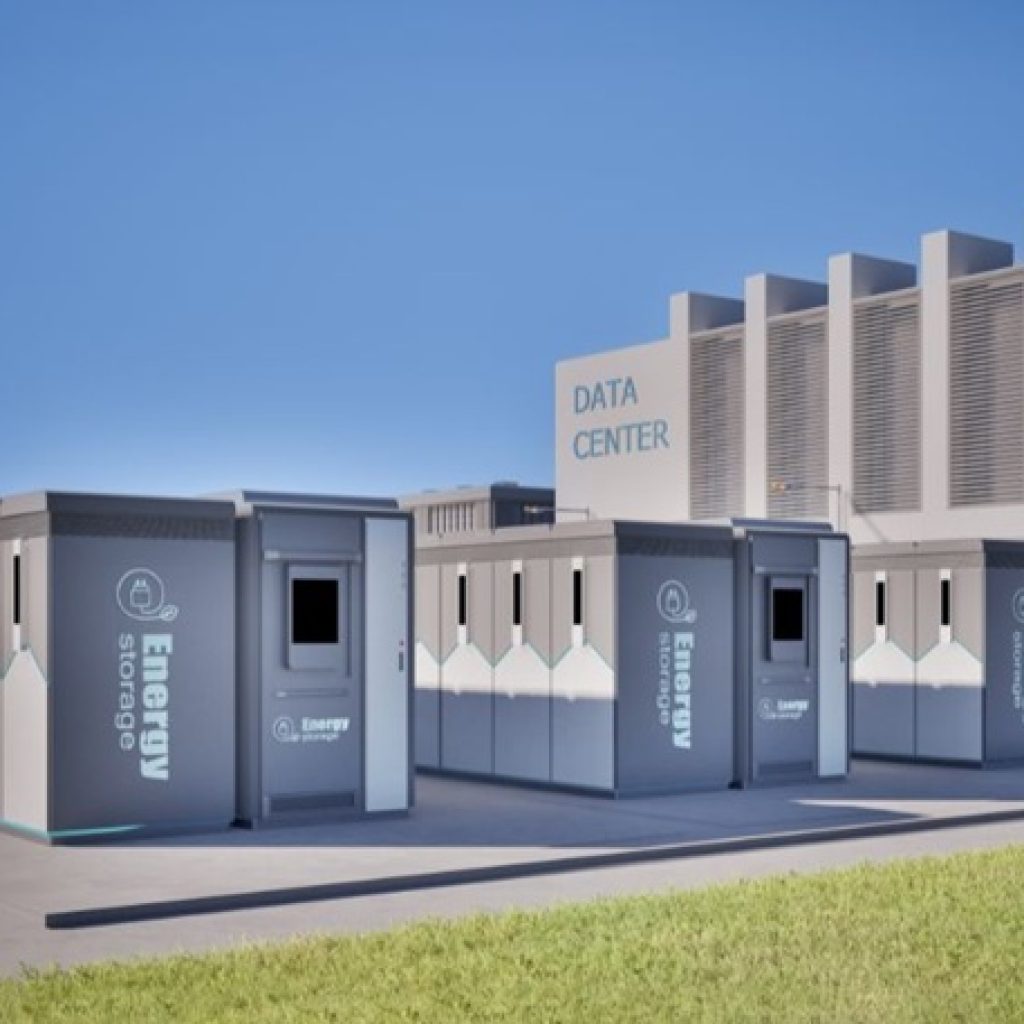
Energy storage technologies, particularly battery energy storage systems, can help stabilise electricity networks by balancing supply and demand. Without these solutions, renewable energy deployment may eventually face structural limits.
Policy Signals Still Emerging
One of the biggest barriers to scaling storage deployment is the lack of consistent policy frameworks. Investors require clear signals regarding revenue models, regulatory treatment and market participation rules.
“Revenue certainty and investment signals are still missing in many markets,” Qiao said. These gaps have slowed the pace of storage deployment despite the growing need for flexibility solutions.
FESSIA plans to launch a report on unlocking the value of utility-scale BESS which will dig deeper into the policy signals needed to drive revenue certainty. The report is set to launch at FESSIA’s partner event on 19 May during Ecosperity Week 2026 in Singapore, a major annual sustainability conference convened by Temasek.
ASEAN’s Two-Speed Energy Transition
The ASEAN region presents a diverse landscape of electricity markets. Countries such as the Philippines operate wholesale electricity markets with relatively advanced regulatory frameworks.
Others remain vertically integrated power systems with more centralised decision-making. These structural differences require different policy approaches to enable storage deployment.
Toward a Circular Energy Ecosystem
Energy storage development also intersects with broader sustainability goals, including circular economy practices. As battery storage deployment expands, lifecycle management and recycling will become increasingly important.
Establishing sustainable supply chains from the outset could help avoid future environmental challenges.
The Role of Energy Storage in Net-Zero Goals
For Southeast Asia to meet its climate commitments, renewable energy penetration must continue to grow significantly. Energy storage will play a critical enabling role in ensuring that this expansion remains reliable and economically viable.
“Storage will allow renewable energy to scale in a systematic way,” Qiao said. Without it, the region’s ambitious clean energy targets could prove difficult to achieve.